Cedar Shake Roofing Contractor in Maryland, DC & Virginia
Natural cedar and synthetic shake installation for DMV homeowners who want the look, the longevity, and none of the guesswork.
Your Cedar Shake Roof Working Against You?
Cedar shake roofs don’t fail the way asphalt roofs do. The warning signs are different, and in the DMV’s climate, they move faster than most homeowners expect.
Shingles cupping, splitting, or curling at the edges? That’s thermal cupping, one of the most common failure patterns on cedar roofs in Maryland and Virginia. When the top surface of a shake reaches 140–160°F on a July afternoon while the underside stays damp, the wood fibers expand unevenly. It’s a ventilation and installation problem as much as a material problem.
Moss or dark staining spreading across your roof? In shaded neighborhoods (Reston, Bethesda, Alexandria) cedar roofs that don’t dry out fully between rain events become colonized by moss, algae, and wood-destroying fungi. Left untreated, this can take years off a roof that should last decades.
Roof installed directly on solid decking with no visible air gap? This is the single most common installation error on cedar roofs in the Mid-Atlantic. Without a proper ventilation matrix between the decking and the shakes, moisture gets trapped underneath. Many homeowners don’t discover it until a full replacement is unavoidable.
Living in a historic district and uncertain what’s actually required? Alexandria, Georgetown, and Annapolis all have their own Boards of Architectural Review with different material requirements, documentation standards, and approval processes. A contractor who doesn’t know the difference between an Alexandria BAR review and a DC Historic Preservation Office submission can cost you months of delays.
If any of this sounds familiar, a free inspection gives you a clear picture of where things stand.
THE COMPLETE SYSTEM
Cedar Shake Roofing in Maryland, DC & Northern Virginia
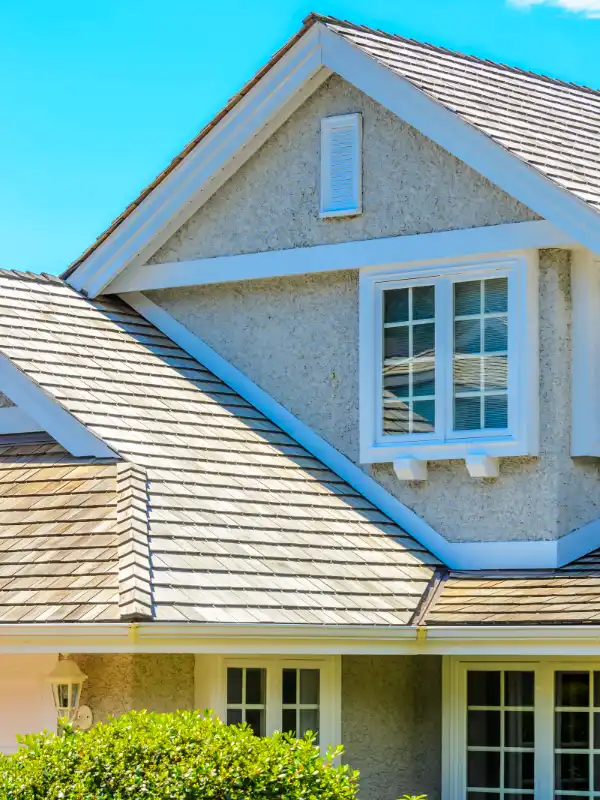
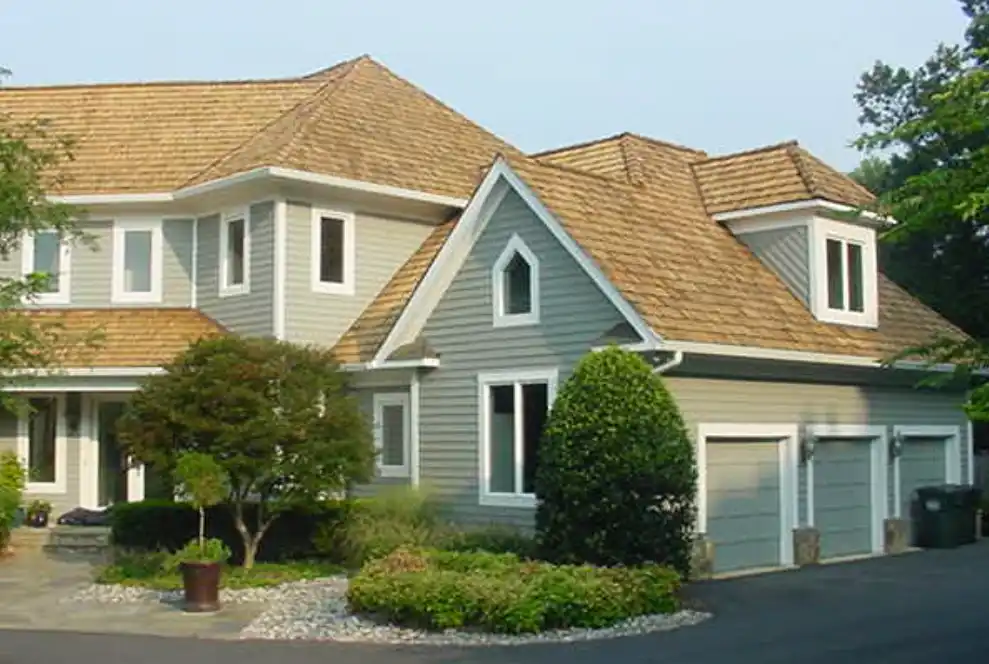
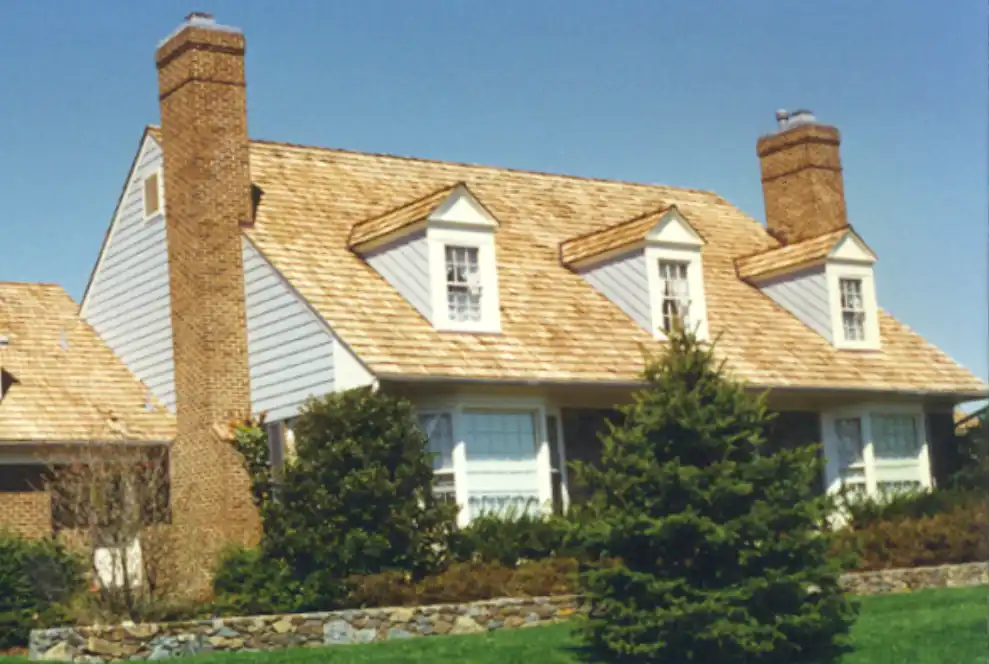
Cedar shake is the most architecturally significant roofing material in the DMV, and the most unforgiving of installation shortcuts. The Federal-style townhomes of Georgetown, the Colonial Revivals of Potomac and McLean, and the historic neighborhoods of Old Town Alexandria were built for wood roofing. It belongs here. But this region’s humidity levels, freeze-thaw cycles, and summer heat make cedar one of the most technically demanding systems to install correctly.
At Insured Exteriors, we install cedar shake as a complete, ventilated roofing system, not just a surface layer. That means #1 Grade western red cedar with edge grain orientation, a Cedar Breather ventilation matrix on every installation, stainless steel fasteners, and properly detailed copper or high-gauge aluminum flashing. Every component is specified for the DMV’s climate. We also serve homeowners in historic districts across the region, navigating the documentation, material approvals, and review processes that come with landmarked properties.
The difference between a cedar roof that lasts 30+ years and one that fails in 10 is almost entirely in the installation. We do it right.
Cedar Shake Installation
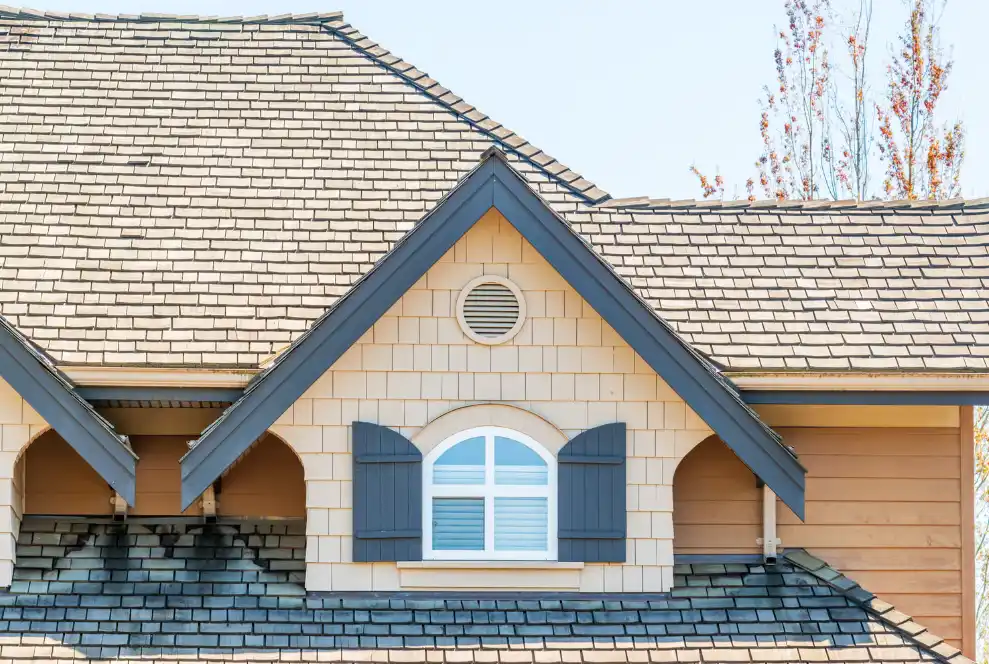
Full cedar roofing systems using #1 Grade western red cedar, 100% heartwood, 100% edge grain, installed with a ventilation matrix and stainless steel fasteners. Specified for DMV humidity, thermal cycling, and wind exposure.
Synthetic Shake Installation
DaVinci and premium composite systems that replicate the appearance of hand-split cedar without the maintenance requirements. Class A fire rating, Class 4 impact resistance, color-stable for 50+ years. The right answer for many DMV homeowners who want the look without the upkeep.
Cedar Roof Restoration
Cleaning, moss and fungal treatment, selective shake replacement, and re-treatment for cedar roofs that have the structural integrity to be saved. Not every cedar roof needs full replacement, we’ll tell you honestly which situation you’re in.
Historic District Navigation
We work directly with the DC Historic Preservation Office, the Alexandria Board of Architectural Review, and the Annapolis Historic Preservation Commission. We prepare the material documentation, manage sample submissions, and handle permit coordination, so you’re not doing it alone.
Insurance Claim Support
Storm damage to cedar and synthetic shake roofs is frequently underestimated by adjusters unfamiliar with the material. We document thoroughly, work with your adjuster directly, and make sure the scope of damage is fully captured in the claim.
GET STARTED
Natural Cedar or Synthetic Shake: Which Is Right for Your Home?
This is the decision most cedar roofing conversations come down to. Both materials look the same from the street. The difference is in performance, maintenance, and which situations each is actually built for. We’ll give you an honest recommendation based on your specific home, neighborhood, and priorities.
Natural Western Red Cedar
Natural cedar provides the traditional appearance expected in many DMV homes, with distinct depth, texture, and a natural aging process over time. When installed as a complete system, it can perform well in this region, but it requires ongoing maintenance and is highly influenced by shade, moisture, and surrounding environmental conditions.
Synthetic Shake
Synthetic shake closely replicates the look of natural cedar while addressing its main vulnerabilities in the DMV climate. It resists moisture, decay, and UV exposure, offers higher fire and impact ratings, and significantly reduces long-term maintenance, making it a strong option for non-historic properties.
A Note on Cedar Grade
Cedar quality plays a major role in performance. Higher-grade cedar is more stable and better suited for the DMV’s humidity and temperature swings, while lower grades are more prone to warping, splitting, and early deterioration if used in this environment.
BUILT FOR THE DMV
Why Cedar Roofing in the DMV Demands a Different Approach
The DMV sits in a climatic transition zone — where the humid subtropical South meets the humid continental North. Annual precipitation of 40–45 inches and consistently high humidity levels mean cedar roofs here almost never reach a fully dry state between rain events. That creates a specific set of installation requirements that most national roofing content ignores entirely.
The ventilation matrix is non-negotiable
In the DMV, installing cedar shingles without proper airflow beneath them leads to trapped moisture and early failure. A dedicated ventilation layer creates space for consistent drying, which helps prevent warping, rot, and long-term structural damage, especially in shaded properties.
Fasteners and flashing are not interchangeable
Cedar naturally contains compounds that can corrode standard metal components over time. Using the right fasteners and flashing materials is essential to prevent rust, staining, and premature loosening of the roof system.
Shade, moisture, and fungal pressure
Wooded areas across the DMV create conditions where moisture lingers on cedar roofs, increasing the risk of fungal decay. Evaluating sun exposure and moisture levels helps determine the right material approach and long-term performance expectations.
Historic districts require a specialist
Cedar roofing in historic areas throughout DC, Maryland, and Virginia must meet strict preservation guidelines. Proper planning, documentation, and material selection are required to ensure compliance and approval before installation begins.
HOW IT WORKS
Our Cedar Shake Roofing Process
Cedar roofing is not a standardized product install. Every project requires a site-specific assessment of shade, moisture exposure, historic district requirements, and the condition of the existing deck. Here’s how we approach it.
Cedar Roofing Inspection
We evaluate the full system, including structure, ventilation, and environmental factors, with added review for historic properties.
Material Recommendation
We guide you on natural cedar vs. synthetic shake based on your property and performance needs.
Clear Scope of Work
We provide a detailed proposal outlining materials, components, and installation specifics.
Professional Installation
We install cedar systems using specialized methods designed for proper performance and longevity.
Final Walkthrough
We review the completed project, ensure cleanup, and deliver all documentation and warranties.
SERVICE AREA
Serving Homeowners Across Maryland, Washington DC & Northern Virginia
We install cedar shake and synthetic shake roofing throughout the DMV, including historic district properties with specific material and documentation requirements:
MARYLAND
- Montgomery County
- Prince George's County
- Howard County
- Anne Arundel County
- Carroll County
WASHINGTON D.C.
- Washington D.C.
- Georgetown
- Capitol Hill
VIRGINIA
- Fairfax County
- Arlington
- Alexandria
- Loudoun County
- Prince William County
We’re familiar with historic district requirements across the region (including Georgetown, Old Town Alexandria, Capitol Hill, and Annapolis) and can verify material compliance before project start.
FAQS
Cedar Shake Roofing: Frequently Asked Questions
What's the difference between natural cedar and synthetic shake?
Natural cedar is the authentic material, hand-split western red cedar that weathers to silver-gray over time, provides genuine insulation value, and is required for most historic district properties. Synthetic shake, such as DaVinci, is a polymer composite molded from actual cedar to replicate the appearance, but engineered to be impervious to moisture, fungi, and UV degradation. Natural cedar requires professional maintenance every four to five years and carries a Class C fire rating. Synthetic shake carries Class A fire and Class 4 impact ratings with minimal maintenance requirements. For most non-historic properties in the DMV, we recommend synthetic shake, the performance case is straightforward. For historic district properties, natural cedar is usually required, and we’ll walk you through what that means for your specific address.
Why does cedar fail so quickly on some DMV roofs?
Almost always, it comes down to ventilation. Cedar installed directly on solid decking without an air gap traps moisture beneath the shakes, creating the greenhouse conditions that wood-destroying fungi need to thrive. In DMV humidity levels, internal rot sets in within five to seven years on installations without a ventilation matrix. The other common failure point is fastener choice, galvanized steel corrodes when exposed to cedar’s natural tannins, leaving rust staining and loose shingles within a few years. A properly specified installation (Cedar Breather matrix, stainless steel fasteners, correct ridge ventilation) performs completely differently.
Do I need historic district approval before replacing my cedar roof?
It depends on your address and the scope of the project. In Washington DC, the Historic Preservation Office requires permits for roofing changes on contributing structures, including material samples for approval. In Alexandria, any roofing work visible from the public right-of-way that exceeds 25 square feet requires Board of Architectural Review approval. In Annapolis, changes to historic structures typically require a formal hearing. We handle the compliance review, prepare the required documentation, and manage the submission process, you don’t need to navigate this alone.
Will my homeowner's insurance cover a cedar roof?
Coverage for cedar roofing has tightened significantly across the Mid-Atlantic. Many carriers now charge surcharges for natural cedar due to its Class C fire rating and perceived hail vulnerability, and some have moved to actual cash value rather than replacement cost coverage. Synthetic shake with a Class A fire rating and Class 4 impact rating is treated considerably more favorably by most carriers, some offer premium discounts. If your current policy covers cedar damage, storm events are typically the covered cause. We help you document the damage correctly and work with your adjuster to make sure the full scope is captured in the claim.
How long does a cedar shake replacement take?
Most single-family cedar roofing projects in the DMV take two to four days. Complex geometries, steep pitches, or historic district properties requiring additional flashing detail may take longer. We give you a specific timeline before work starts. For historic district properties, permit processing timelines vary, DC HPO review can take several weeks, while Alexandria BAR administrative approvals are sometimes faster for straightforward in-kind replacements.
GET STARTED
Get a Free Cedar Roofing Inspection
Cedar roofing is one of the most significant investments a DMV homeowner can make, and one of the most dependent on installation quality.
The difference between a system that lasts 35 years and one that fails in 10 is almost entirely in how it’s built, not just what it’s built from.
Licensed & insured roofing contractor serving Maryland, DC & Northern Virginia